Table of Contents
Nyari
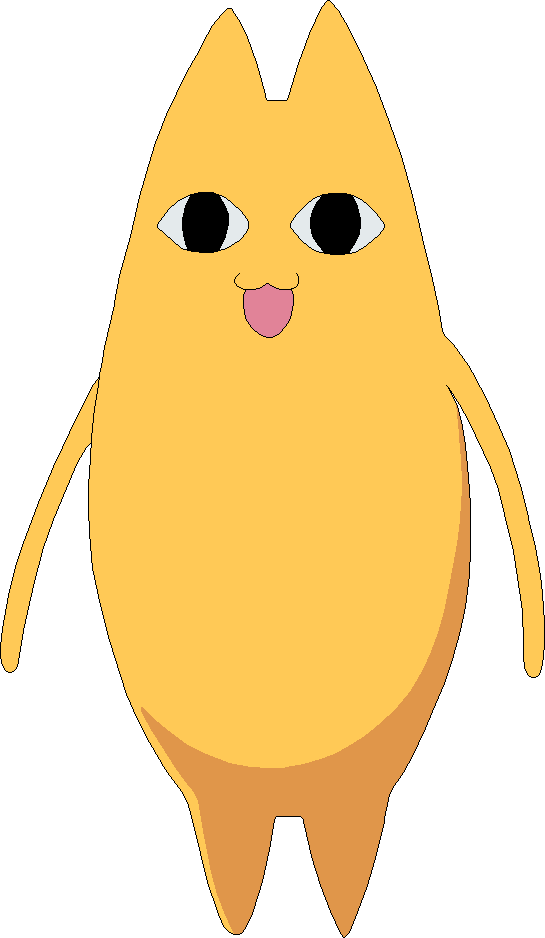
Nyari is the main language spoken by Nyamii. It is soft and repetitive.
Sound System
5 vowel are used:
- a
- e
- i
- o
- u
They are pronunced like:
- ah
- eh
- ee
- oh
- oo
Consonants
These consonants are used:
- m
- n
- ny
- p
- t
- k
- s
- h
- l
- r
- w
- y
Syllables
Mostly:
CV: na, mi, lu, nya
CVC rarely
no hard clusters
The Role of Nya
This is the heart of the language.
nya serves several functions depending on position.
Sentence Softener / Neutral Linker
Placed after the subject or topic.
mi nya soma lu = I see you
lu nya mira mi = you like me
Possessive
Between nouns:
mi nya haus = my house
luna nya taila = the moon’s tail / moon-tail
Emotional Emphasis
At the end of a sentence:
mira lu, nya = I really like you / affectionate tone
sai nya! = yes indeed!
Noun Marker In Some Compounds
nya-song, nyafire, nyadream
Grammar
Word order
Default: SVO
mi soma lu = I see you
lu mira nari = you like music
No Verb Conjugation
No changes for tense or person.
mi soma = I see
mi pa soma = I saw
mi nai soma = I will see
Tense particles
Put before the verb:
pa = past
na = present/ongoing
nai = future
nu = general timeless/habitual
Examples:
mi pa soma lu = I saw you
mi na soma lu = I am seeing you
mi nai soma lu = I will see you
mi nu soma lu = I usually see you
Plurals
Use number words or a plural particle.
ra = plural / many
Examples:
cata = cat
ra cata = cats
Questions
Add ma? at the end.
lu mira mi ma? = do you like me?
lu pa veni ma? = did you come?
Question words:
ma = question marker
mani = what
maka = where
mari = who
mayo = why
mase = how
Examples:
mari na veni ma? = who is coming?
lu maka na yori ma? = where are you going?
Negation
Use no before the verb.
mi no mira lu = I do not like you
lu no pa veni = you did not come
Adjectives
Put after noun.
cata sime = small cat
haus luma = bright house
dreama sanu = calm dream
Adverbs
Same word form, placed before or after verb.
mi sanu soma = I look calmly
mi soma sanu = I look calmly
Pronouns
Kept easy.
mi = I / me
lu = you
ni = he / she
mira = we
lura = you all
nira = they
Possessive can be done with nya:
mi nya = my
lu nya = your
ni nya = their/his/her
Examples:
mi nya taila = my tail
lu nya nava = your name
Starter Vocabulary
Kept soft and memorable.
Basic Nouns
cata = cat
drema = dream
nyara = dreamcat
haus = home
luma = light
mora = dark
suna = sun
luna = moon
vaya = sky
tera = earth / ground
nari = song / music
soma = sight / eye / to see
tala = tail
pawa = paw / hand
shira = star
mizu = water
fira = fire
seli = sleep
kora = heart
nava = name
rima = path / road
vela = wind
yume = memory / dream-image
Verbs
veni = come
yori = go
soma = see
mira = like / love gently
seli = sleep
nari = sing
luma = shine
kira = hear
sanu = rest / calm down
pori = speak
nema = know
tavi = touch
runi = run
moku = eat
noku = drink
yuma = dream
shani = feel
kemi = make / create
tori = give
hanu = take
Adjectives
sime = small
vara = big
luma = bright
mora = dark
sanu = calm
nemi = soft
kiri = sharp
mira = lovely
haya = fast
noya = strange
yani = warm
sori = cold
Useful Particles
nya = linker / softener / possessive / emphasis
pa = past
na = present/progressive
nai = future
nu = habitual/general
no = not
ma = question
ra = plural
ya = yes
sai = yes / indeed / understood
nei = no / denial
o = vocative, calling someone
e = exclamation / emotional emphasis
Sentence Formulas
"I am X"
Use noun or adjective directly.
mi sanu = I am calm
ni nyara = they are a dreamcat
luna luma = the moon is bright
Optional softer form:
mi nya sanu
"I do X"
mi yori = I go
mi na seli = I am sleeping
mi pa yuma = I dreamed
"I like X"
mi mira lu = I like you
mi mira nari = I like music
Example Sentences
Very basic
mi nyara = I am a dreamcat
lu mira ma? = do you like it / are you pleased?
ni na seli = they are sleeping
mira pa yori haus = we went home
nira no nema mi = they do not know me
mi na yuma luna luma = I am dreaming of the bright moon
ni nya kora sanu = their heart is calm
ra shira luma vaya = stars shine in the sky
mi kira lu nya nari = I hear your song
lu mira mi, nya = you love me, softly / affectionately
Questions
lu na yori maka ma? = where are you going?
mani lu na moku ma? = what are you eating?
mari ni ma? = who are they?
mayo lu no veni ma? = why are you not coming?
Dreamcat Flavor Features
Repetition for emotion
nya nya = extra affection, soothing tone
sanu sanu = very calm
luma luma = glittering / very bright
Mini Dictionary for Daily Use
ya / sai = yes
nei = no
mani = what
mari = who
maka = where
mayo = why
mase = how
mi = I
lu = you
ni = they/he/she
veni = come
yori = go
pori = speak
nema = know
mira = like/love
seli = sleep
moku = eat
noku = drink
haus = home
luma = light
drema = dream
nyara = dreamcat
nya = soft linker / possessive / emphasis
Sample Dialogue
A: o nya, lu na yori maka ma? Dear one, where are you going?
B: mi na yori haus. mi sanu seli nai. I am going home. I will sleep peacefully.
A: lu mira nari ma? Do you like music?
B: sai. mi mira lu nya nari, nya nya. Yes. I really love your song.
Summary
Pronouns
mi, lu, ni
Tense
pa, na, nai
Other Particles
no, ma, nya
Word Order
SVO only